
Rohingya Women Face Hygiene Crisis in World’s Largest Refugee Camp
Rohingya Women Face Hygiene Crisis in World’s Largest Refugee Camp
—————————-
Women and girls in the Cox’s Bazar refugee settlement are facing a severe health and dignity crisis due to a critical shortage of private toilets and basic sanitation facilities. According to reports from The Guardian, the lack of proper infrastructure in the world’s largest refugee camp has significantly increased the risk of waterborne diseases and physical insecurity for thousands of displaced residents.
The absence of gender-segregated or private facilities often forces women to wait until nightfall to use communal latrines, exposing them to heightened safety risks. According to humanitarian assessments, the current ratio of functional toilets to inhabitants far exceeds international emergency standards, leading to unsanitary conditions that threaten the long-term health of the Rohingya community.
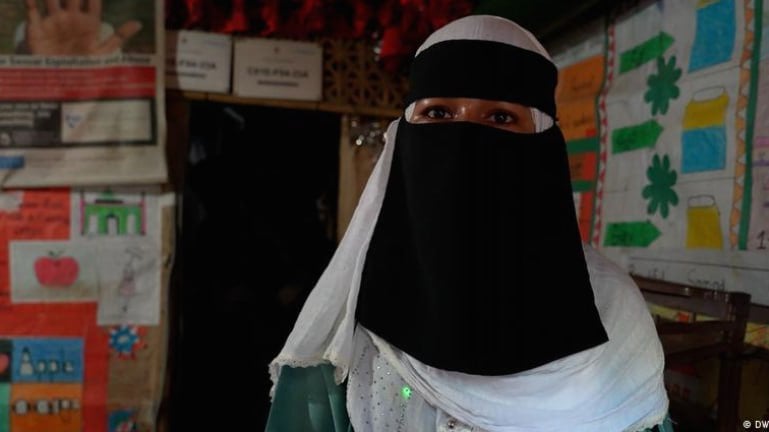
In response to this systemic failure, local initiatives are emerging from within the refugee community itself. According to The Guardian, a female refugee has launched a grassroots project to build accessible toilets and provide hygiene education to women and girls. This local effort aims to reclaim a sense of dignity and safety, proving vital in an environment where international aid resources are increasingly strained and infrastructure remains stagnant.