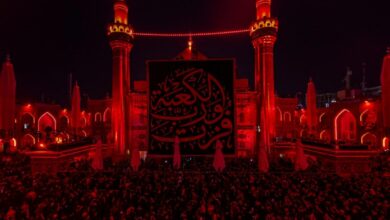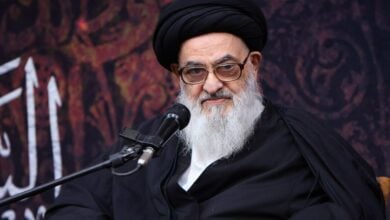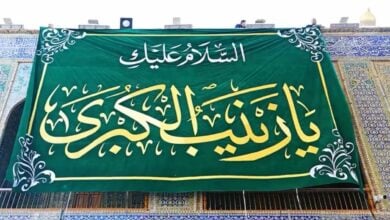

Jumadi al-Thanni concludes with sorrow for Shiite of Ahl al-Bayt (peace be upon them)
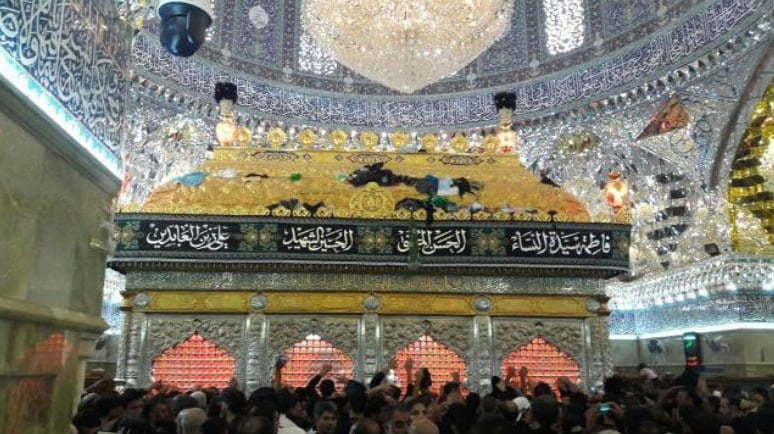
Jumadi al-Thanni concludes with sorrow for Shiite of Ahl al-Bayt (peace be upon them)
——————————
In the final days of the month of Jumada al-Thani, Shiites around the world commemorate the memory of two prominent figures from the Ahl al-Bayt (peace be upon them), observing days marked by mourning, reflection, and a renewed commitment to the ideals of loyalty to divine leadership, patience, and the pursuit of justice.
The last days of the month mark the anniversary of the martyrdom of the Honourable Sayyid Muhammad, the son of Imam Ali al-Hadi (peace be upon them both) and the respected uncle of Imam al-Mahdi (may God hasten his reappearance). He was born around 228 AH in the area of Surayya near Medina and was known by the honorific titles Abu Ja‘far and Abu Ali. Renowned for his piety, virtue, and elevated spiritual standing, Sayyid Muhammad (peace be upon him) holds a special place among the Shiite community, particularly in Iraq. He was martyred in 252 AH while traveling from Samarra to Medina and was buried in the city of Balad. According to Sheikh Abbas Qumi, Imam Hasan al-Askari (peace be upon him) tore his garment in grief over his brother’s martyrdom. The shrine of Sayyid Muhammad (peace be upon him), whose original structure dates back to the fourth century AH, has been rebuilt several times throughout history and remains a major site of pilgrimage for devotees of the Ahl al-Bayt (peace be upon them).
The final days of Jumada al-Thani also mark the anniversary of the martyrdom of Lady Umm Kulthum (peace be upon her), the fourth child of Imam Ali (peace be upon him) and Lady Fatimah al-Zahra (peace be upon her). While her exact date of birth is disputed, some historians place it in the sixth year after the Hijra. Sheikh al-Mufid referred to her as “Zaynab al-Sughra” (peace be upon her), noting that “Umm Kulthum” was an honorific title bestowed upon her by the Prophet Muhammad (peace and blessings be upon him and his family) due to her resemblance to one of his daughters. Lady Umm Kulthum played a significant role in the aftermath of the tragedy of Karbala, delivering a powerful sermon in Kufa that exposed the oppression and corruption of Yazid’s rule. She was martyred five months after Ashura, on the last day of Jumada al-Thani. Some sources report that she was poisoned, and her burial place has been variously cited as the Bab al-Saghir cemetery in Damascus or al-Baqi‘ in Medina.