
Tajik President Calls for Halt to New Mosque Construction Amid Ongoing Religious Restrictions
Tajik President Calls for Halt to New Mosque Construction Amid Ongoing Religious Restrictions
———————
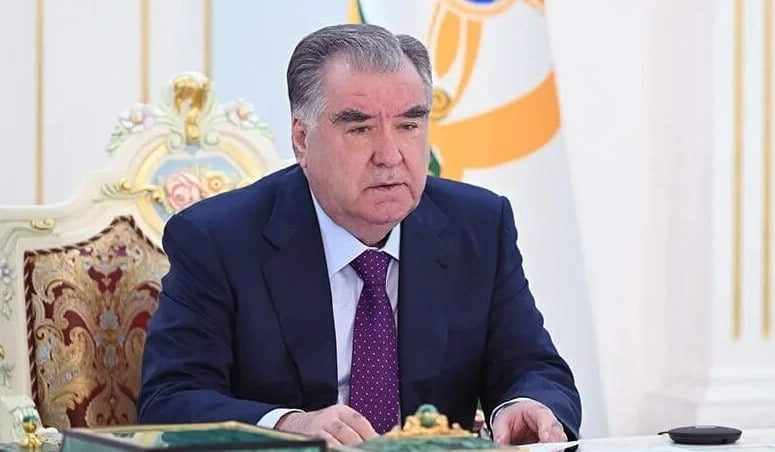
Tajikistan’s President Emomali Rahmon said the construction of new mosques should stop, urging society to focus instead on education, culture, and intellectual development. He made the remarks during a session of the National Assembly, according to reports viewed by Shia Waves Agency.
Addressing lawmakers, Rahmon said that Tajikistan already has enough mosques and that strengthening science, art, and knowledge should now be a national priority. He argued that excessive focus on building religious structures and the continuation of what he described as superstitious practices hinder the country’s progress.
The president emphasized that Tajiks’ religious identity was not under threat but said the nation must move toward scientific and cultural advancement to achieve development.
Analysts and regional media, however, warn that strict religious restrictions combined with economic hardship have contributed to the radicalization of some Tajik youth. High unemployment, poverty, and limits on religious expression have left young people vulnerable to recruitment by extremist Sunni groups, including the Islamic State group (ISIS).
According to a report by The New York Times, roughly half of the members of ISIS’s Khorasan branch are believed to be from Tajikistan. Tajik nationals have been implicated in past attacks in Russia, Iran, and Turkey, while several planned attacks in Europe were reportedly foiled before being carried out.
Religious restrictions in Tajikistan include a ban on choosing a religion before the age of 18 and tight controls on religious activities. Security experts warn that the combination of economic challenges and religious repression poses risks not only to Tajikistan’s internal stability but also to regional and international security.
They have urged the government to revise its religious policies, expand educational and economic opportunities, and ease restrictions on religious freedoms to prevent further recruitment into extremist groups such as ISIS.