

Syrian Refugees Face Stricter Residency in Turkey as Returns from Lebanon Increase
Syrian Refugees Face Stricter Residency in Turkey as Returns from Lebanon Increase
—————————————
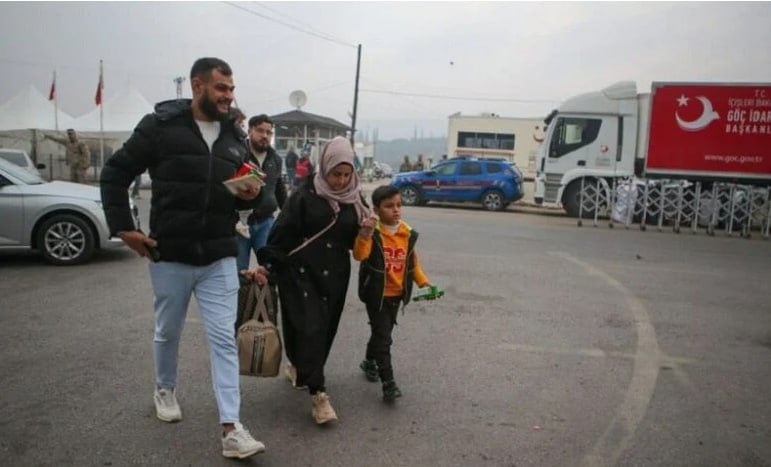
Turkey has made life increasingly difficult for Syrian refugees by limiting services and imposing stricter residency requirements, while Lebanon has facilitated the return of thousands of Syrians through its “Safe Return” program.
The recent developments and refugee policies in Turkey and Lebanon affecting Syrians reflect neighboring countries’ efforts to manage the refugee crisis and gradually encourage repatriation.
Starting in 2026, the Turkish government will end free medical services for Syrian refugees and introduce tougher conditions for obtaining official residency permits, including proof of property ownership or a valid rental contract, employment, health insurance, and verified bank activity. According to Shia Waves Agency, citing Rai al-Youm, Syrians unable to meet these requirements risk being sent back to their home country. United Nations assistance will be used to cover return costs and provide cash support for refugees choosing to go back.
Over the past year, approximately 600,000 Syrian refugees have returned from Turkey, although nearly 2.37 million remain in the country and continue to benefit from refugee support programs.
In Lebanon, the return process continues. Social Affairs Minister Haneen Al-Sayyed told Al-Nashra that since the launch of the Safe Return plan in July 2025, 380,000 Syrian refugees have returned home and their records have been removed from UNHCR databases. Another 74,000 refugees have expressed their intention to return before the end of the year.
Al-Sayyed reported that humanitarian cash assistance in Lebanon reached $434.4 million in 2024, accounting for 42% of the coordinated framework budget between the Lebanese government, the UN, and international partners. To ensure transparency and prevent resource wastage, all cash aid will be distributed through the national “Aman” program by the end of 2025.
Experts say the measures in Turkey and Lebanon indicate that neighboring countries are seeking to manage the Syrian refugee crisis through restrictive policies and organized return programs, aiming to facilitate gradual repatriation.